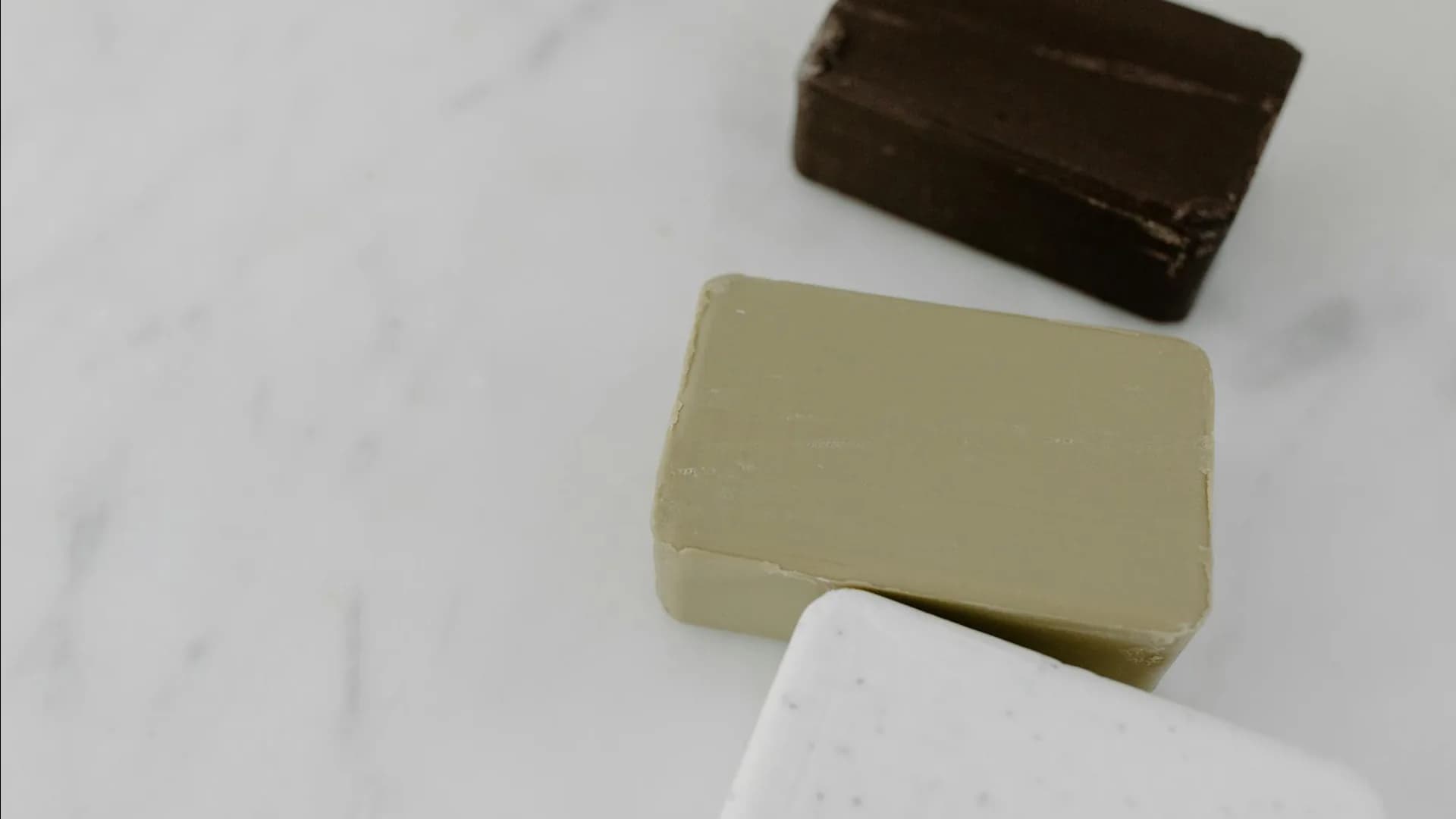
Photo: Tara Winstead
Waterless Bodycare: Solid Bars, Powder Cleansers, and Concentrated Formats
Waterless bodycare is more than an eco-trend. Solid bars, powder cleansers, and concentrated formats can outperform liquid counterparts while reducing waste and cutting costs.
Walk down any personal care aisle and roughly 70 to 80 percent of what you see is water. That bottle of body wash? Mostly water. That lotion? Mostly water. You are paying for packaging, shipping weight, and preservatives to keep all that water from growing bacteria.
Waterless bodycare flips this model. By removing water from the formula, brands can concentrate active ingredients, eliminate many preservatives, reduce plastic packaging, and slash shipping emissions. The question is whether these products actually perform.
The short answer: many of them do. Some do it better than their liquid equivalents.
Why Water Dominates Conventional Products
Water is the cheapest ingredient in personal care. It serves as a solvent and vehicle for delivering active ingredients to the skin. It also:
- Makes products feel lightweight and easy to spread
- Allows manufacturers to extend formulations at minimal cost
- Requires preservative systems (parabens, phenoxyethanol, or alternatives) to prevent microbial contamination
- Demands plastic packaging to contain liquid and maintain sterility
None of these are inherently bad. But they create a system where you pay premium prices for products that are 70 percent tap water.
Types of Waterless Bodycare
Quick Check
Curious if your routine matches your skin goals?
Take our 60-second skin diagnostic and get personalised ingredient recommendations.
Solid Cleansing Bars
The original waterless format. Modern cleansing bars have come far from the drying soap bars of decades past.
Syndet bars (synthetic detergent) are formulated with gentle surfactants like sodium cocoyl isethionate at skin-friendly pH levels. They cleanse effectively without the alkalinity of traditional soap. Key advantages:
- Zero plastic packaging in most cases
- Longer lasting than liquid equivalents, with one bar typically replacing 2 to 3 bottles
- Travel-friendly with no liquid restrictions
- No preservatives needed because bacteria cannot grow without water
The main drawback is the learning curve. Solid bars require a different application technique, and some people find the initial texture adjustment off-putting.
Powder Cleansers
Powder-to-foam cleansers activate when mixed with water in your hands or on a washcloth. They contain finely milled surfactant powders, clays, or enzyme exfoliants that dissolve on contact.
- Enzyme powders (papain, bromelain) provide gentle chemical exfoliation without microbeads
- Clay-based powders (kaolin, bentonite) absorb excess oil while cleansing
- Rice bran powder cleansers draw on traditional Japanese beauty practices and provide mild physical exfoliation
Powder cleansers are particularly effective for people with combination or oily skin because the concentration of active ingredients per wash is higher than diluted liquid versions.
Concentrated Body Serums and Oils
Waterless moisturisers take two primary forms:
Body oils use plant-derived oils (jojoba, squalane, marula, argan) as the delivery vehicle instead of water-based emulsions. They absorb well on damp skin and provide excellent occlusive protection against transepidermal water loss.
Concentrated serums pack active ingredients like niacinamide, glycolic acid, or urea into anhydrous or low-water bases. A few drops replace an entire pump of conventional lotion.
The trade-off: these products can feel heavier initially. Applying to damp skin immediately after showering solves this for most people.
Solid Moisturiser Bars
Body butter bars and lotion bars combine plant butters (shea, cocoa, mango) with waxes and oils in a solid format. Body heat melts the bar on contact, allowing smooth application.
They are:
- Extremely concentrated with no water dilution
- Long-lasting, with one bar equivalent to multiple bottles of lotion
- Preservative-free by nature
- Best suited for dry to very dry skin types due to their richness
Performance Comparison: Waterless vs. Traditional
Cleansing Efficacy
Multiple studies confirm that syndet bars clean as effectively as liquid body washes when formulated with equivalent surfactant concentrations. A 2020 comparison published in the Journal of Cosmetic Dermatology found no significant difference in sebum removal, skin hydration, or user satisfaction between solid and liquid formats using the same surfactant system.
Powder cleansers showed slightly superior exfoliation compared to liquid versions containing the same enzyme concentration, likely because the enzyme remains more stable in powdered form.
Moisturisation
This is where waterless formats can genuinely outperform. A body oil applied to damp skin delivers higher concentrations of emollient ingredients per application than a water-based lotion. Clinical measurements of transepidermal water loss consistently favour oil-based approaches for severe dryness.
However, for normal to slightly dry skin, the difference is marginal. Conventional lotions remain perfectly adequate.
Ingredient Stability
Waterless formulations have a genuine advantage in ingredient stability. Many active ingredients, particularly vitamin C (ascorbic acid), retinol, and certain peptides, degrade rapidly in water-based solutions. Anhydrous formats can maintain potency significantly longer without requiring specialised packaging or refrigeration.
The Environmental Angle
The sustainability argument for waterless bodycare is straightforward:
- Reduced shipping weight: Eliminating water cuts product weight by 60 to 80 percent, proportionally reducing transport emissions
- Less plastic: Solid formats typically use cardboard, paper, or aluminium packaging
- Lower water usage in manufacturing: Less water in formulas means less water consumed in production
- Extended product life: Concentrated products last longer, meaning fewer purchases and less total packaging
A lifecycle analysis by a European consumer research group estimated that switching a household's body wash and lotion to solid equivalents could reduce personal care plastic waste by approximately 40 percent annually.
Common Concerns and Honest Answers
"Solid bars harbour bacteria." Not true for properly formulated bars. The absence of water means bacteria cannot colonise the surface. A 2006 study confirmed that even bars contaminated with bacteria did not transfer those organisms during normal use.
"Powder cleansers are too abrasive." Depends on the formulation. Enzyme-based powders are actually gentler than many liquid scrubs. Clay-based versions can be slightly more abrasive but are still milder than microbeads.
"Body oils make you greasy." Technique matters. Applied to damp skin in small amounts, most plant oils absorb within minutes. Applying to dry skin or using too much causes the greasy feeling.
"Concentrated products are too expensive." Per-use cost often works out cheaper. A solid body bar lasting 60 washes at a higher unit price still costs less per wash than a bottle lasting 25 washes.
Making the Switch
Transitioning to waterless bodycare works best gradually:
- Start with cleansing: Replace your body wash with a syndet bar. This is the easiest swap with the least adjustment period
- Try a body oil next: Apply to damp skin post-shower. Use sparingly until you find the right amount
- Experiment with powder cleansers: Use 2 to 3 times per week alongside your usual routine before going full-time
- Keep expectations realistic: Some waterless products genuinely outperform. Others are simply equivalent. The primary win is environmental, not always performance
The Bottom Line
Waterless bodycare is not a gimmick. The science supports that concentrated, water-free formulations can match or exceed conventional products in efficacy while dramatically reducing environmental impact. The category has matured beyond novelty into genuine performance territory.
That said, not every waterless product is good just because it lacks water. Formulation quality still matters. A poorly made solid bar is worse than a well-made liquid body wash. Judge products by their ingredients and performance, not just their format.
The trend toward concentration is the future of personal care. Less water, more active ingredients, less packaging. That is an equation worth getting behind.
Related Reading
Join 50,000+ beauty lovers
Enjoyed This Article?
Get our best picks, reviews, and skincare secrets delivered to your inbox weekly.
No spam, unsubscribe anytime