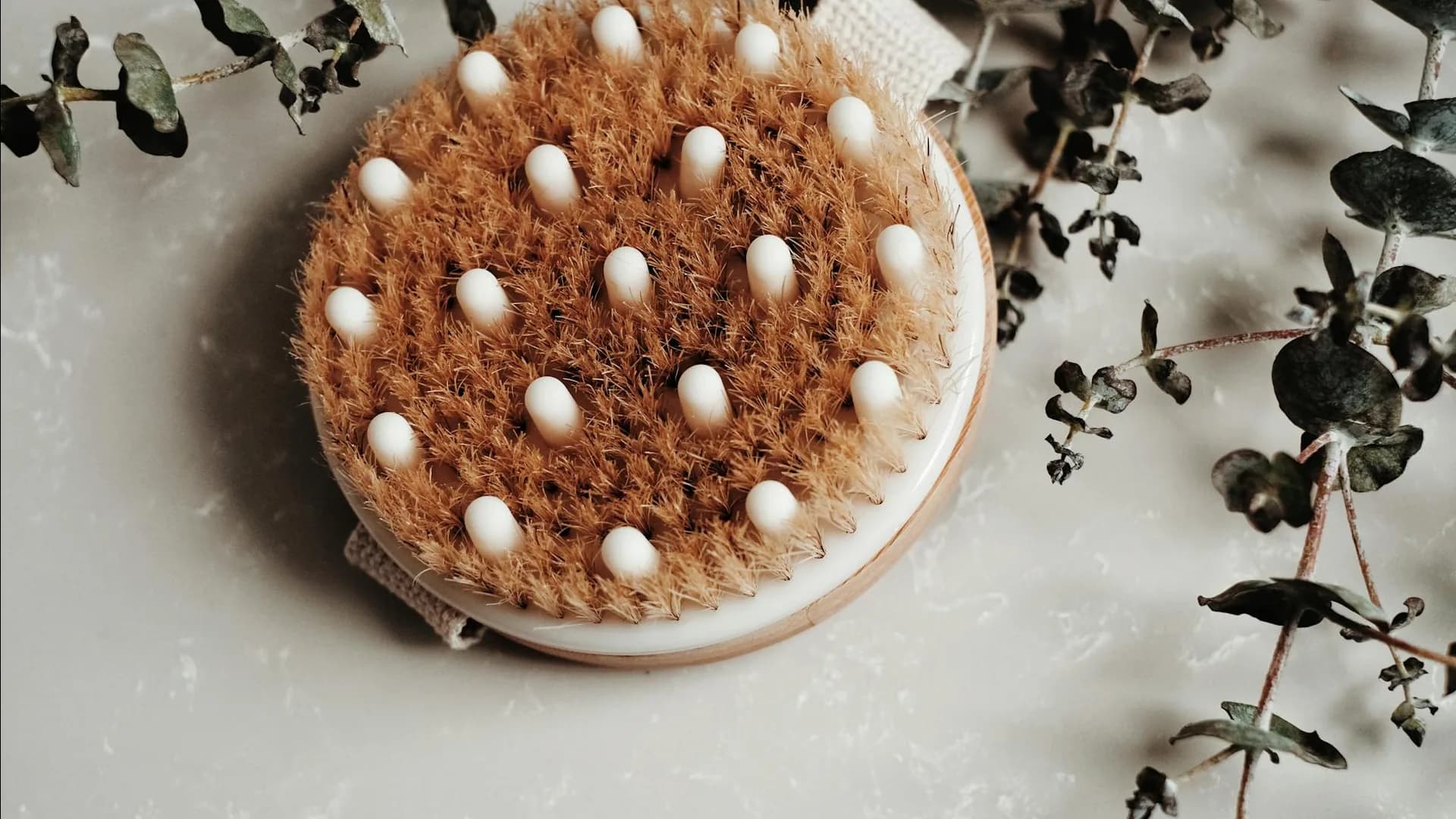
Photo: Vie Studio
Dry Brushing: Does It Actually Help with Lymphatic Drainage and Cellulite?
Dry brushing promises smoother skin, better circulation, and reduced cellulite. But what does the evidence actually say? Here is an honest breakdown of what dry brushing can and cannot do.
Dry brushing has been a wellness staple for years. Social media is full of claims that it drains lymph, eliminates cellulite, and detoxifies the body. Some of that is true. Most of it is exaggerated. Here is what actually holds up.
What Is Dry Brushing
Dry brushing is exactly what it sounds like. You take a firm, natural-bristle brush and stroke it across dry skin in long, sweeping motions before showering. The technique has roots in Ayurvedic medicine and has been used in various cultures for centuries.
The brush itself matters. Look for one with natural plant-based bristles rather than synthetic ones. A long handle helps reach the back. Bristle firmness should match your skin's tolerance.
The Lymphatic Drainage Claim
Quick Check
Curious if your routine matches your skin goals?
Take our 60-second skin diagnostic and get personalised ingredient recommendations.
This is the biggest selling point of dry brushing, and it is the most misunderstood.
The lymphatic system is a network of vessels that moves fluid, waste products, and immune cells through the body. Unlike the circulatory system, it has no central pump. It relies on muscle contractions, breathing, and movement to keep fluid flowing.
Dry brushing proponents claim that the brushing action stimulates lymphatic flow and helps the body detoxify. Here is the reality:
- Surface-level stimulation does occur. Brushing the skin creates friction and mild pressure that can temporarily increase local blood flow and may encourage superficial lymph movement.
- Deep lymphatic drainage requires more pressure. Manual lymphatic drainage performed by trained therapists uses specific, rhythmic techniques that target deeper vessels. A dry brush cannot replicate this.
- No clinical studies confirm dry brushing moves lymph significantly. The evidence is anecdotal. That does not mean it does nothing, but the claims far outpace the proof.
The verdict: Dry brushing probably offers mild circulatory benefits at the skin surface. Calling it lymphatic drainage is a stretch.
The Cellulite Claim
Cellulite affects roughly 80-90% of women post-puberty. It is caused by fat deposits pushing through connective tissue beneath the skin. Hormones, genetics, and skin structure play the biggest roles.
Dry brushing is frequently marketed as a cellulite treatment. Here is what is actually happening:
- Temporary plumping effect. Brushing increases blood flow to the area, which can make skin appear temporarily smoother and firmer. This effect fades within hours.
- Exfoliation improves skin texture. Removing dead skin cells makes the surface look more even, which can slightly reduce the visual appearance of cellulite.
- No structural change occurs. Cellulite is a structural issue involving fat, connective tissue, and skin thickness. No brush can reorganise subcutaneous fat.
- No peer-reviewed study has shown dry brushing reduces cellulite beyond temporary cosmetic improvement.
The verdict: Dry brushing can make cellulite look marginally better for a few hours. It will not eliminate it.
What Dry Brushing Actually Does Well
Strip away the overblown claims and dry brushing still offers legitimate benefits:
- Excellent physical exfoliation. It removes dead skin cells effectively, leaving skin smoother and improving the absorption of moisturisers applied afterwards.
- Increased blood circulation. The brushing action brings blood to the skin's surface, which gives a temporary healthy glow and may support skin cell turnover.
- Unclogs pores. Regular exfoliation helps prevent ingrown hairs and keeps pores clear, especially on the legs and arms.
- Feels invigorating. Many people report that dry brushing wakes them up and feels energising. This is a real, subjective benefit worth acknowledging.
- Improves product absorption. Freshly exfoliated skin absorbs body oils, serums, and lotions more effectively.
How to Dry Brush Properly
If you want to try it, technique matters more than frequency.
Step one: Start at your feet with long, firm strokes moving upward toward the heart. This follows the general direction of lymph flow and venous return.
Step two: Brush each area 5-10 times. Move from feet to legs, then hands to arms, then torso. Use lighter pressure on the chest and stomach.
Step three: Avoid the face, neck, and any areas with broken skin, sunburn, rashes, or active eczema. The bristles are too harsh for these areas.
Step four: Shower after brushing to rinse away loosened dead skin cells.
Step five: Apply a moisturiser immediately after showering while skin is still damp. This is when you get the best absorption.
Frequency: 2-3 times per week is enough. Daily brushing can irritate the skin and compromise the barrier, especially in winter when skin is already dry.
Who Should Avoid Dry Brushing
Dry brushing is not for everyone. Skip it if you have:
- Eczema, psoriasis, or dermatitis in active flare
- Sunburned or windburned skin
- Open wounds, cuts, or infections
- Very sensitive or reactive skin that reddens easily
- Varicose veins in the area you are brushing (brushing over varicose veins can worsen them)
- Skin conditions that cause fragility like certain medications or treatments
Better Alternatives for the Same Goals
If your goal is smoother skin, here are options with stronger evidence:
- Chemical exfoliation with AHA body lotions. Glycolic or lactic acid at 10-12% dissolves dead skin without physical abrasion. More effective and gentler than brushing.
- Exercise for lymphatic flow. Walking, swimming, and yoga genuinely improve lymph circulation far more than any brush.
- Professional manual lymphatic drainage. If you have actual lymphatic concerns, see a certified therapist.
- Retinol body creams for skin texture. These stimulate collagen production and improve skin thickness over time.
- Caffeine-based creams for temporary cellulite reduction. Caffeine constricts blood vessels and temporarily tightens skin. Still cosmetic, but more targeted than brushing.
The Bottom Line
Dry brushing is a decent exfoliation method that feels good and leaves your skin smoother. Full stop. The lymphatic drainage and cellulite claims are marketing that has outrun the science.
If you enjoy the ritual, keep doing it. Just do not expect it to detoxify your body or permanently change how your skin looks. Pair it with a good moisturiser, stay consistent with chemical exfoliants, and move your body regularly. That combination will do more for your skin than any brush alone.
Related Reading
Join 50,000+ beauty lovers
Enjoyed This Article?
Get our best picks, reviews, and skincare secrets delivered to your inbox weekly.
No spam, unsubscribe anytime