Photo: cottonbro studio
Liquid Noir Hair Color Trend
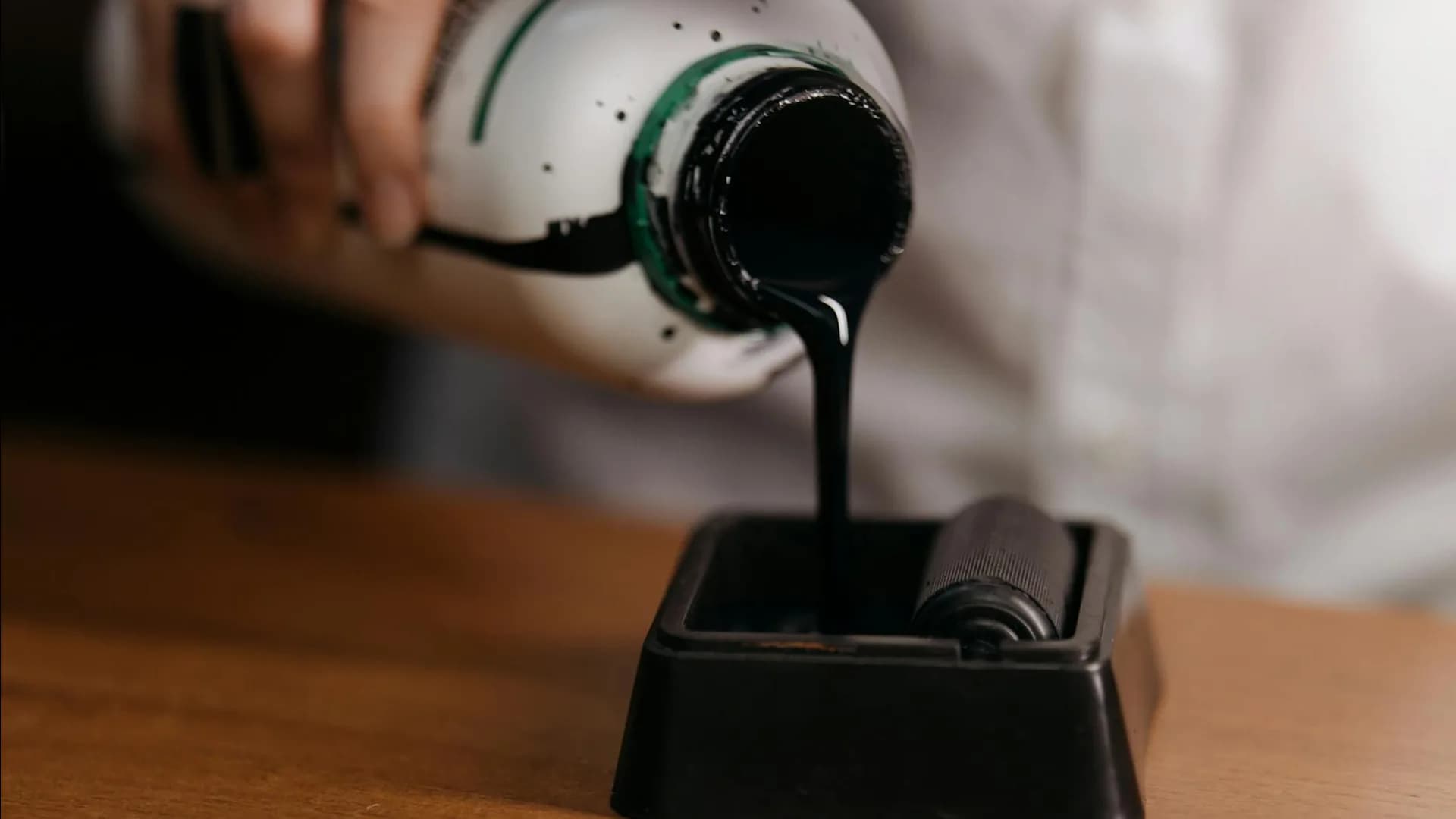
Liquid noir takes the classic black hair shade and elevates it to something almost otherworldly — an ink-deep, glass-smooth finish that moves like poured lacquer. It's the most sophisticated dark hair trend of 2026.
What Is the Liquid Noir Hair Color Trend?
Not all black hair is created equal. There's the flat, matte black of a basic dye job, and then there's liquid noir — a richly saturated, glass-like deep black that catches light with an almost mirror-like quality. The trend has been building through fashion weeks and editorial shoots for the past year, and in 2026 it's firmly in mainstream territory.
The defining characteristic of liquid noir isn't just the color — it's the finish. The goal is hair that looks perpetually wet, like liquid ink has been poured over each strand. This is achieved through a combination of the right dye formulation, toning, and an intensive gloss treatment that creates that signature reflective depth.
For anyone with naturally dark hair, liquid noir offers an extraordinary upgrade. For those going darker from lighter shades, it requires precision planning to achieve the depth and reflectivity without the brassiness that can sabotage a dark dye result.
The Science of the Liquid Noir Finish
Quick Check
Curious if your routine matches your skin goals?
Take our 60-second skin diagnostic and get personalised ingredient recommendations.
The glassy reflectivity that defines liquid noir comes down to cuticle alignment. Hair color reflects light most dramatically when the cuticle layer — the outermost protective scale layer of each strand — lies flat and smooth. Raised cuticles scatter light and produce a dull, matte finish.
Three factors work together to create the liquid noir effect:
- Deep pigment saturation: Achieving true "liquid" depth requires a dye with high pigment concentration that fills the cortex completely, eliminating any patchiness or unevenness in how light is absorbed.
- Glossing treatment: An acidic gloss or toning glaze applied after color lays the cuticle flat and deposits additional shine-enhancing compounds.
- Blue/violet undertone correction: Pure blue-black eliminates the warm reddish or green undertones that can appear in dark dyes under certain lighting, maintaining the cool, inky quality that makes liquid noir distinctive.
Achieving Liquid Noir: Step-by-Step
Before You Start: Assess Your Starting Point
The process differs significantly depending on your current hair color:
Natural dark brown to black hair: You're in the best position. Deep conditioning to ensure cuticle health, followed by a blue-black dye, is typically all that's required.
Previously colored dark hair: Check for any previous color that might interact with a new dark dye. If there's existing brassiness or warmth, a blue-correcting toner before the main color application will improve your result.
Medium brown hair: Achievable with a dark dye, but you may need two applications over a couple of weeks to reach true noir depth without over-processing.
Light brown to blonde hair: Liquid noir on significantly lighter hair requires careful work. Going too dark in a single session can cause severe damage. Consider a professional for this transition, or take it in stages — dark brown first, then build to true noir.
The Application Process
1. Pre-color treatment (the night before):
Apply a protein treatment or bond-strengthening treatment to strengthen the hair structure before the chemical process. This reduces damage and helps the final color appear smoother.
2. Preparation on dye day:
Apply barrier cream along the hairline and ears. Do not wash your hair — natural scalp oils protect the skin during processing. Section hair into four quadrants.
3. Dye selection:
For authentic liquid noir, look for a permanent or demi-permanent dark dye with:
- Blue or blue-black pigment base (not cool brown)
- Ammonia or ammonia-free depending on your hair's condition (ammonia-free is gentler, better for previously processed hair)
- Conditioning agents in the formulation
4. Application:
Work section by section from the nape up. Apply with a tint brush for precise root coverage, then comb through to the lengths. Ensure complete, even saturation — thin spots or missed sections will catch the light differently and break the liquid noir effect.
5. Processing:
Follow product timing. Do not over-process — it won't deepen the color further but will raise the cuticle and damage the finish you're trying to achieve.
6. Rinse and tone:
Rinse until water runs clear. While hair is still damp, apply an acidic gloss or toning glaze in a blue-black or neutral tone. Leave for 10–20 minutes. This step is what separates liquid noir from an ordinary dark dye result.
7. Final rinse:
Use cool water for the final rinse. Cold water forces the cuticle closed, enhancing reflectivity immediately.
The Gloss Treatment: Non-Negotiable
A clear or tinted hair gloss is the most powerful tool for achieving the liquid noir finish, and it's also the most overlooked step. An acidic gloss (typically pH 3.5–5) works by:
- Flattening the cuticle layer
- Depositing light-reflecting polymers onto each strand
- Sealing in color pigment to extend vibrancy
- Adding visible shine that isn't achievable through dye alone
Professional glosses are available for salon use; several retail versions designed for home use produce comparable results. Apply every 4–6 weeks to maintain the signature finish.
Maintaining Liquid Noir Hair
The liquid finish is only as permanent as your maintenance routine. Dark hair, particularly freshly dyed dark hair, is vulnerable to:
Fading: Black dyes — especially cool-toned ones — can fade warmer over time as the blue pigment molecules, being smaller, wash out faster than red ones.
Cuticle damage: Heat styling, hard water, and chemical exposure all raise the cuticle and dull the gloss.
Essential Maintenance Steps
Shampoo less frequently: Every 2–3 days maximum. Use color-safe, sulfate-free formulas — sulfates strip both color and the protective lipid layer that contributes to shine.
Cold water rinses: Commit to finishing every wash with cool water. It makes a visible difference within days.
Weekly gloss mask: A color-depositing or clear shine mask used weekly sustains the reflectivity between gloss treatments.
Heat protectant always: Before any heat tool use, apply a heat protectant. Unprotected heat styling degrades the cuticle surface and creates the dull, matte quality you're trying to avoid.
Blue-black toning shampoo: Used once weekly, this corrects any warm tones creeping in from fading, maintaining the cool inky quality.
UV protection: Sun exposure fades dark hair significantly. A UV-protective hair product applied before outdoor exposure extends time between color refreshes.
Color Refresh Schedule
- Root touch-up: Every 4–6 weeks (depending on growth rate and how stark the contrast matters to you)
- Full gloss treatment: Every 4–6 weeks
- Partial refresh (lengths only): Every 8–10 weeks to maintain vibrancy without over-processing
Hairstyles That Showcase Liquid Noir
The trend is most impactful with hairstyles that emphasize movement and surface area for light reflection:
- Sleek blowout: The classic pairing — bouncy, smooth, maximum reflectivity
- Wet-look styling: Lean into the liquid quality with a gel or pomade that enhances the wet appearance
- High gloss updo: A tightly smoothed updo transforms into something sculptural with liquid noir
- Glass hair: The ultra-smooth, zero-frizz trend and liquid noir are natural allies
Frequently Asked Questions
Q: Can liquid noir work on hair that's never been colored?
Absolutely — virgin dark hair takes color most evenly and produces the best liquid noir results with the least effort.
Q: How do I prevent liquid noir from looking flat or goth rather than luxurious?
The key is the gloss treatment and hair condition. Flat black without the reflective finish reads as a home dye job. Invest in the gloss step, and keep the hair healthy enough to reflect light.
Q: Does liquid noir work on textured or curly hair?
Yes — the color works beautifully on all textures. The wet-look and glass finishes are achieved differently on curly hair (with curl-defining creams and shine serums rather than a blowout), but the visual impact is equally striking.
Q: How long does liquid noir last before it needs refreshing?
The color itself lasts 6–8 weeks before significant fading. The gloss finish lasts 4–6 weeks. Many people maintain the overall look with gloss-only refreshes between full color appointments.
Liquid noir is one of those rare hair trends that works because it enhances what dark hair already does well — absorbing and reflecting light in a way no lighter shade can replicate. With the right technique and consistent maintenance, it's a look that transcends trend and becomes a genuine signature.
Related Reading
Join 50,000+ beauty lovers
Enjoyed This Article?
Get our best picks, reviews, and skincare secrets delivered to your inbox weekly.
No spam, unsubscribe anytime