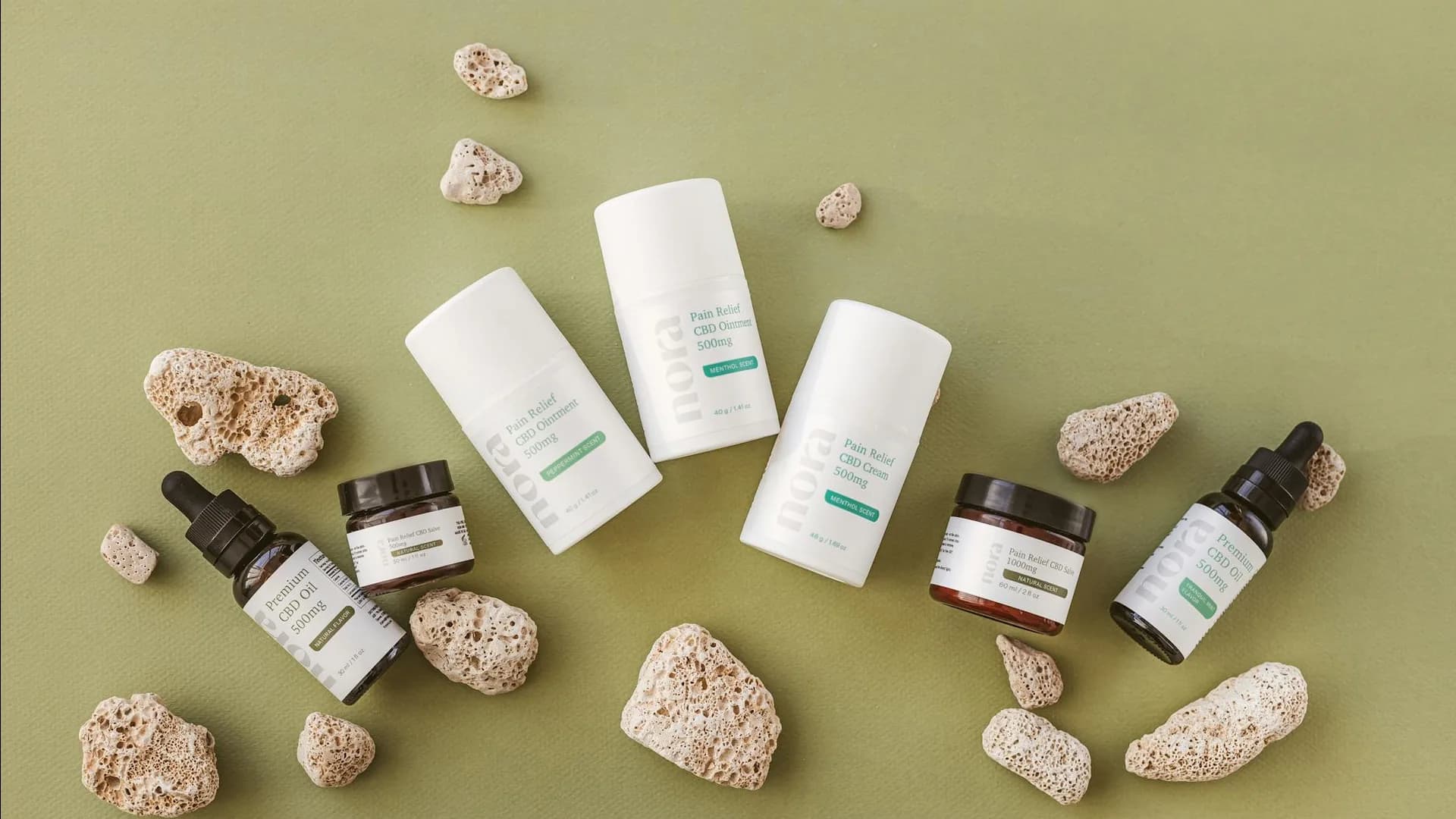
Photo: Nora Topicals
Restorative Skincare: The Era of Exosomes and Peptides
Exosomes and peptides represent a shift in skincare from damage management to active restoration. Here's what the science says and what results are realistic.
Retinol and acids have dominated clinical skincare for decades, and with good reason. The evidence behind them is strong. But a different category has been quietly building: ingredients that work not by accelerating turnover or dissolving dead cells, but by signalling the skin to repair itself. Exosomes and peptides are the two most significant members of this group, and they are not the same thing.
Understanding what each one does, and what they can realistically achieve, matters before you spend money on either.
Peptides: What They Are and What They Can Do
Peptides are short chains of amino acids, the building blocks of proteins. In skincare, they work by mimicking or triggering biological signalling processes. Different peptides target different functions.
Signal peptides, like palmitoyl pentapeptide-4 (Matrixyl), stimulate fibroblasts to produce collagen and elastin. They essentially send a message that the skin's structural proteins need replenishing. The evidence for their efficacy is meaningful, if modest. A well-designed clinical study on palmitoyl pentapeptide-4 found improvements in fine lines and skin density over 12 weeks at concentrations of around 3 parts per million.
Carrier peptides deliver trace minerals like copper and manganese to skin cells, supporting enzymatic processes involved in collagen synthesis. GHK-Cu, the copper tripeptide, has one of the stronger evidence bases among carrier peptides, with studies showing improvements in wound healing, skin thickness, and elastin production.
Neuropeptides like argireline work by limiting facial muscle contractions, similar in theory to botulinum toxin but at a much smaller scale and lower magnitude. The evidence for anti-wrinkle effects exists but is limited to relatively small studies. Think of it as a mild adjunct, not a replacement for anything medical.
The practical implication: peptides work best in leave-on serums at stable pH ranges, applied consistently. They don't show dramatic short-term results, but they're one of the better-evidenced options for long-term structural support.
Exosomes: A Different Order of Magnitude
Quick Check
Curious if your routine matches your skin goals?
Take our 60-second skin diagnostic and get personalised ingredient recommendations.
Exosomes are nanoscale extracellular vesicles, tiny packages released by cells that carry molecular signals including proteins, lipids, and RNA. In the context of skincare, the most studied are those derived from stem cells, particularly plant stem cells and, more recently, human-derived cell culture sources.
The mechanism is more sophisticated than peptide signalling. Exosomes don't just trigger a single pathway; they deliver complex packages of instructions that can influence multiple cellular processes simultaneously, including inflammation response, collagen production, and cell migration.
The clinical evidence is promising but still developing. Studies using exosome-infused treatments in aesthetic medicine, typically delivered via microneedling or post-procedure application, have shown significant improvements in skin texture, collagen density, and healing time. Topically applied exosome products are a newer category, and the evidence for their ability to penetrate intact skin is less established.
The key question is absorption. Exosomes are large relative to most skincare molecules, and intact stratum corneum presents a significant barrier to them. Some manufacturers use lipid-based delivery systems or fractured exosome components to improve penetration. The research on topical exosome products is active, and the results from in-vitro and early clinical work are encouraging, but this is still an emerging space.
What Actually Makes Sense to Use
For peptides, the case for daily use is well supported. A serum containing a combination of signal peptides (palmitoyl pentapeptide-4 or palmitoyl tripeptide-1) and a carrier peptide like GHK-Cu, used consistently over months, will contribute to skin resilience and reduce the rate of visible aging. They work on a long timeline and are best thought of as maintenance, not correction.
For exosomes, the evidence is strongest for professional treatments where penetration is assisted mechanically. If you're investing in topical exosome products, look for formulations with specific delivery technology and ideally peer-reviewed data on skin penetration rather than just marketing claims about their source material.
Peptides and exosomes are compatible with most other actives. They don't conflict with retinol, niacinamide, or AHAs. The one consideration is layering order: peptides are generally most effective applied before heavier occlusives, allowing them to reach the receptor sites in the dermis rather than sitting on top of a lipid barrier.
The Realistic Outcome
Restorative skincare is not a replacement for sun protection. UV damage is the single largest driver of visible skin aging, and no peptide or exosome product can undo chronic UV exposure at the rate it continues to accumulate. These ingredients work best as part of a routine that already includes daily SPF.
With that baseline in place, peptides offer credible long-term structural support with good tolerance and minimal risk. Exosomes offer potential that's greater than what current topical evidence fully supports, but the science is moving quickly. The next two to three years will clarify what topical exosome products can realistically deliver.
If you're looking to add one now, peptides are the lower-risk, better-evidenced choice. Exosomes are worth watching.
Related Reading
Join 50,000+ beauty lovers
Enjoyed This Article?
Get our best picks, reviews, and skincare secrets delivered to your inbox weekly.
No spam, unsubscribe anytime